


How Often Should You Schedule Maintenance?
How Often Should You Schedule Maintenance? Read More »
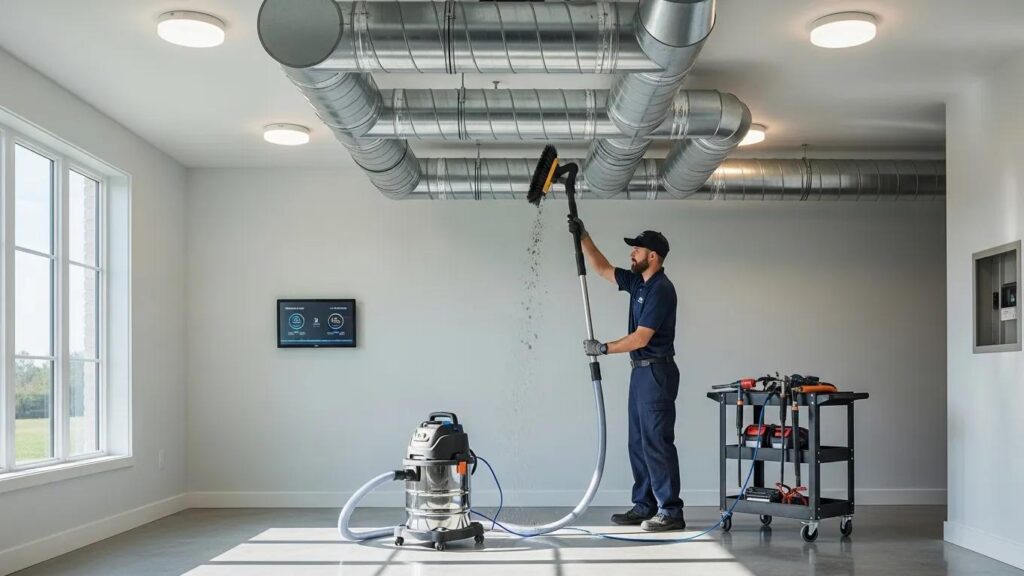
Breathe easier with our expert air duct cleaning services. Enhance your home’s air quality, reduce allergens, and enjoy a healthier living environment today!
Boost Your Home’s Air Quality with Expert Air Duct Cleaning Read More »
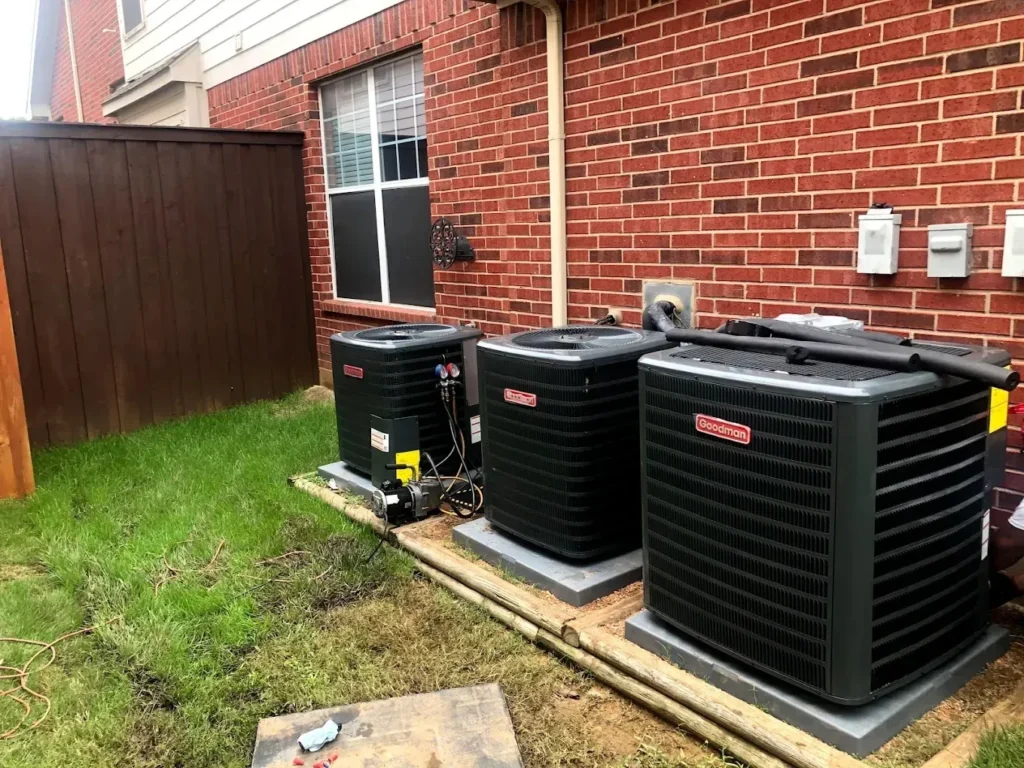
I successfully resolved my AC cooling issues and am ready to share my expert repair advice. Learn my proven methods to keep your home comfortable all summer.
Why Is My AC Not Cooling? Troubleshooting & Repair Read More »
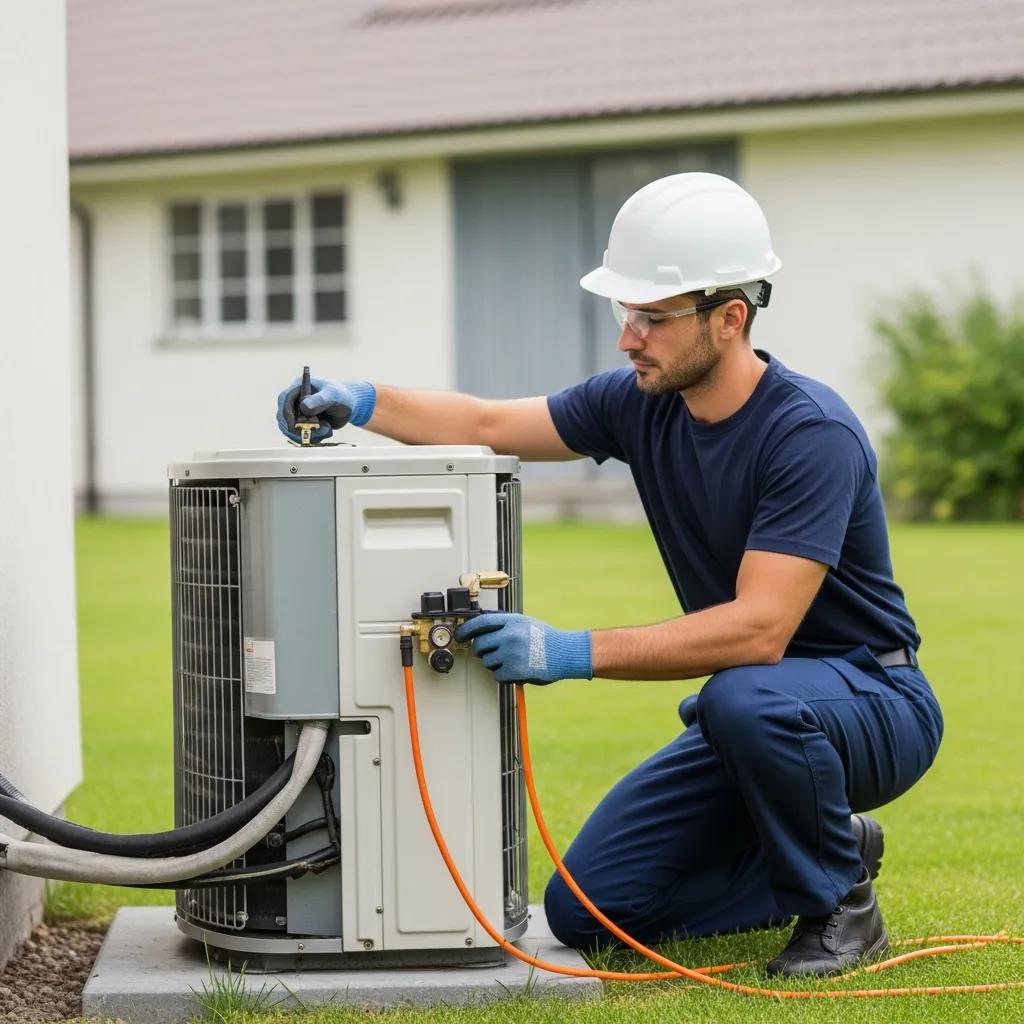
When my HVAC system fails, I trust reliable 24/7 emergency repair services for quick resolutions. Stay comfortable and worry-free anytime with expert help.
24/7 Emergency HVAC Repair Services Read More »
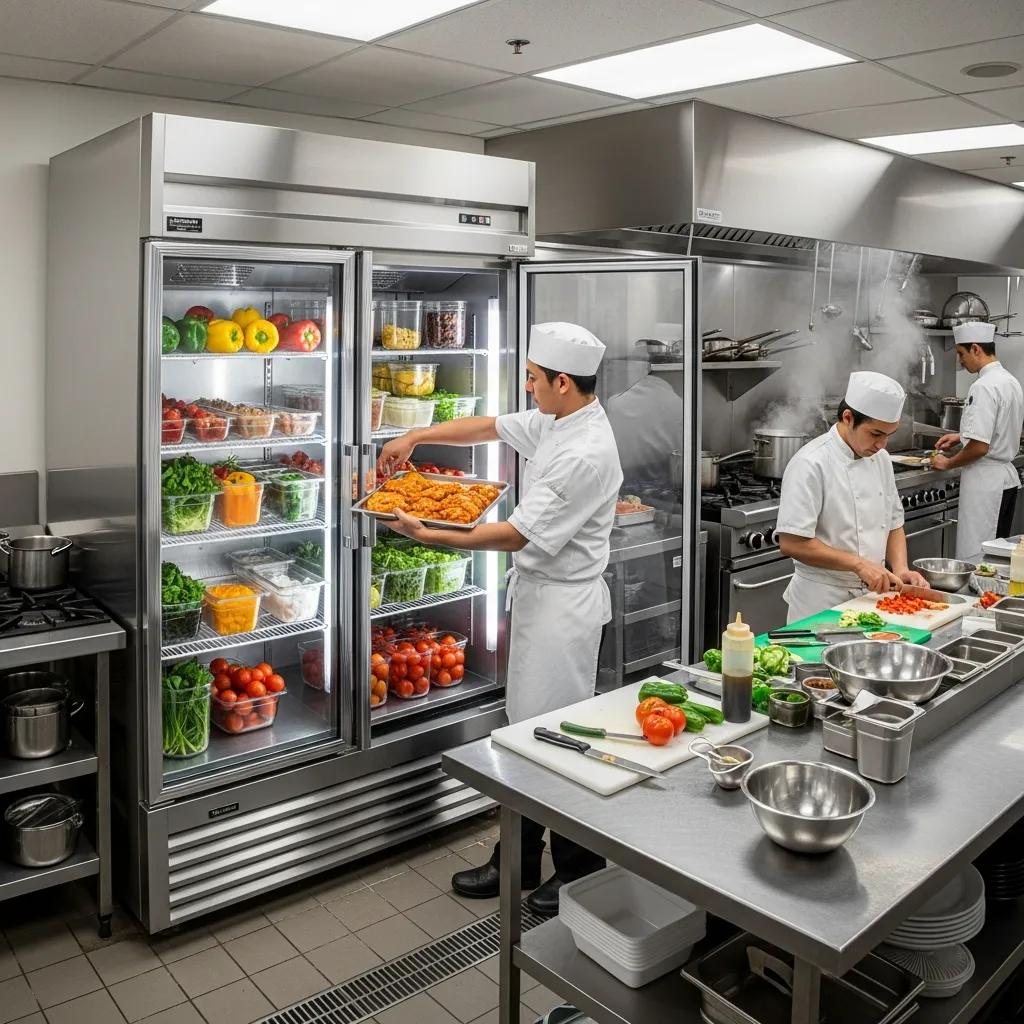
Trust my expertise for swift and reliable commercial refrigeration repair. I guarantee efficient solutions that keep your business running smoothly and safely.
Expert Commercial Refrigeration Repair & Installation Read More »

Transform your home’s value with energy-efficient HVAC improvements. Learn about upgrades that enhance comfort and reduce utility costs effectively.
Top Energy-Efficient Home Upgrades for HVAC Read More »
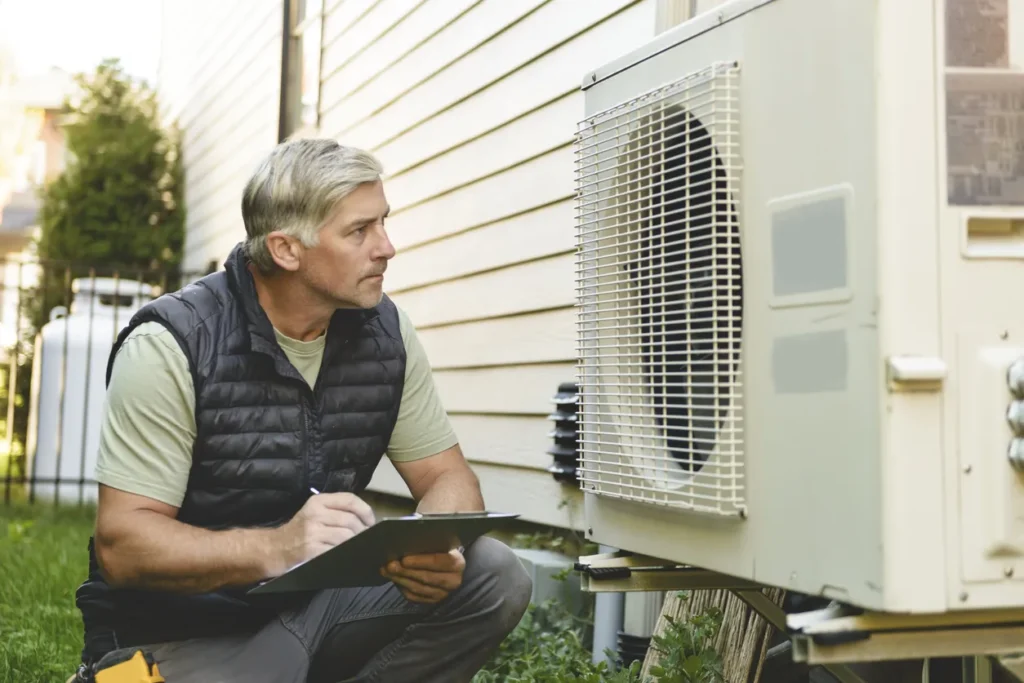
Keep your home warm with our trustworthy heater repair services. Fast solutions await for efficient heater and heating system repairs to ensure comfort.
Trustworthy Heater Repair for Quick Heating Solutions Read More »

Troubleshooting heating issues can be daunting. Our comprehensive guide helps you identify and resolve problems, ensuring a warm, cozy home throughout winter.
Troubleshooting Heating Problems: Your Guide to a Warm Home Read More »
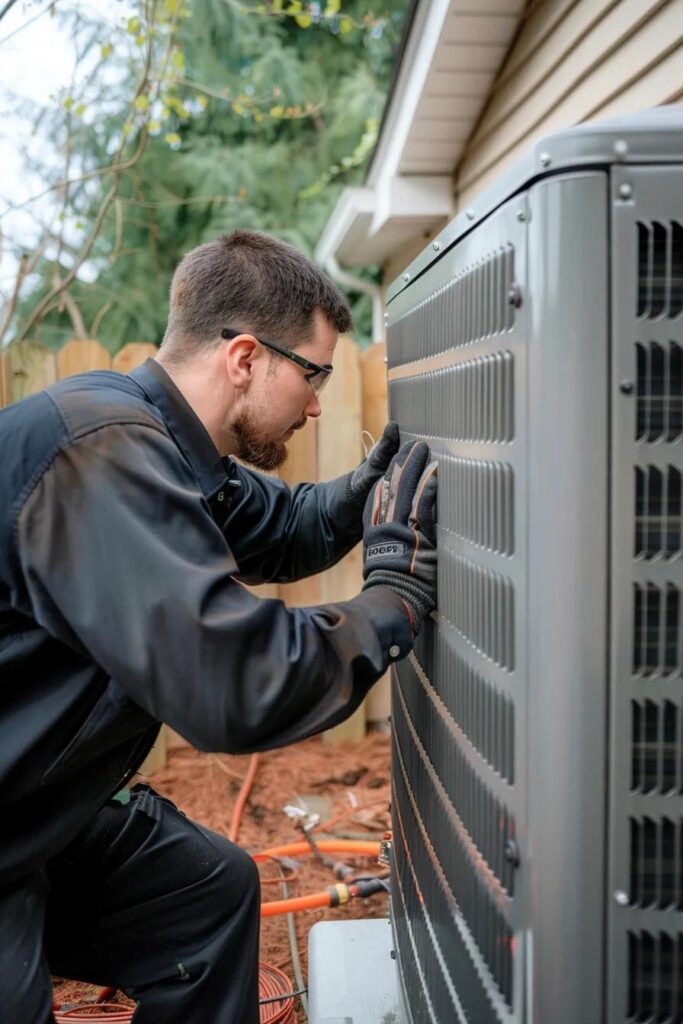
Unusual HVAC smells can indicate underlying issues. Learn how to troubleshoot AC and heater smells to ensure a safe and comfortable home environment.
Troubleshooting Unusual HVAC Smells Read More »